

Introduction
Logistics has become one of the most data-intensive industries, where success depends on speed, accuracy, and complete visibility across the supply chain. From shipments and fleet operations to warehouse management and last-mile delivery, every stage generates critical data that must be connected, analyzed, and acted upon in real time.
At LognaTech, we design and implement modern logistics data and analytics solutions that help organizations unify fragmented systems and transform operational data into actionable insights.
Key Challenges in Logistics Operations
Fragmented Systems
Logistics companies often operate across multiple disconnected platforms such as:
- Shipment tracking systems
- Warehouse management tools
- Fleet and route management systems
- Manual spreadsheets and reporting tools
This creates data silos that make it difficult to achieve a unified operational view.
Limited Real-Time Visibility
Most logistics operations rely on delayed or batch-based reporting, which leads to:
- Slow response to delivery delays
- Poor tracking of shipment exceptions
- Inefficient inventory movement decisions
Operational Inefficiencies
Without centralized data visibility, organizations face:
- Inefficient route planning
- Underutilized fleet resources
- Delayed exception handling
- Increased operational costs
Our Approach to Logistics Transformation
We focus on building integrated data ecosystems that connect every part of the logistics value chain into a single, scalable analytics platform.
Data Integration
We consolidate data from multiple logistics systems into a unified data layer, ensuring consistent and reliable information flow across the organization.
Data Processing & Standardization
Raw logistics data is cleaned, structured, and standardized to ensure consistency across:
- Shipment records
- Inventory updates
- Fleet movement data
- Delivery confirmations
Centralized Data Architecture
We design scalable cloud-based data platforms that enable:
- Fast querying of operational data
- Seamless integration with reporting tools
- Scalable storage for growing logistics datasets
Core Capabilities Delivered
1. Supply Chain Visibility
We enable organizations to track shipments, inventory, and deliveries across the entire supply chain in a unified view.
2. Warehouse Intelligence
Our solutions provide insights into:
- Inventory levels
- Stock movement trends
- Warehouse efficiency
- Order fulfillment rates
3. Fleet & Transportation Analytics
We help optimize logistics operations by analyzing:
- Route efficiency
- Fuel and time utilization
- Delivery performance
- Vehicle productivity
4. Exception Monitoring
We build systems that identify and highlight:
- Delayed shipments
- Failed deliveries
- Missing tracking updates
- Operational bottlenecks
Business Impact
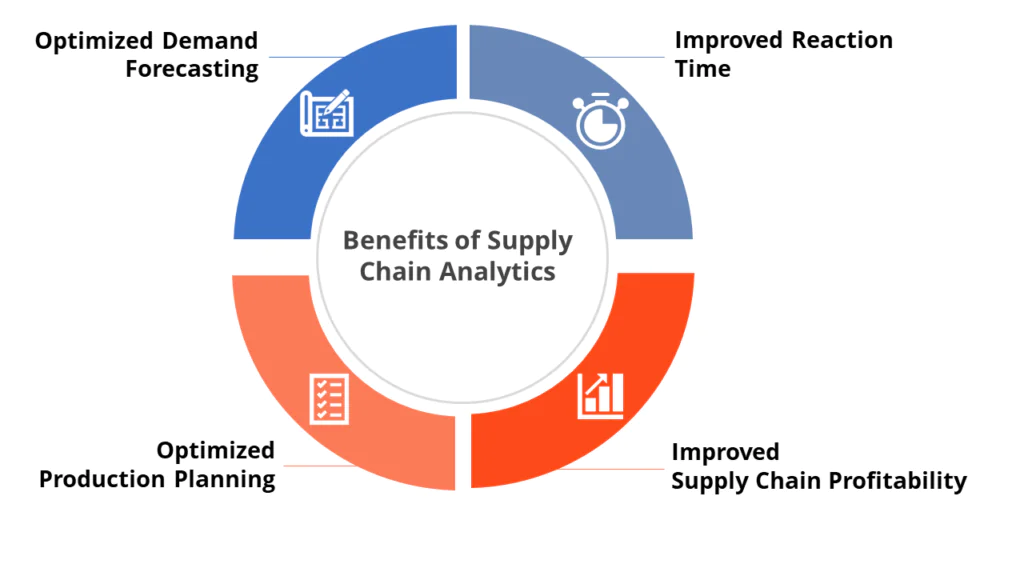
Organizations adopting modern logistics analytics benefit from:
- Improved operational visibility across the supply chain
- Faster decision-making through real-time insights
- Reduced delays and improved delivery performance
- Better inventory and fleet optimization
- Lower operational costs through data-driven planning
Logistics success today depends on the ability to unify data, improve visibility, and act on insights quickly. By modernizing data infrastructure and implementing advanced analytics capabilities, organizations can transform logistics operations from reactive to predictive.
At LognaTech, we help businesses build intelligent logistics systems that improve efficiency, enhance visibility, and enable smarter supply chain decisions.
Add a Comment