
28-02-2023-1677568147

E-commerce Data & Digital Transformation:Scalable, Data-Driven Online Retail Systems

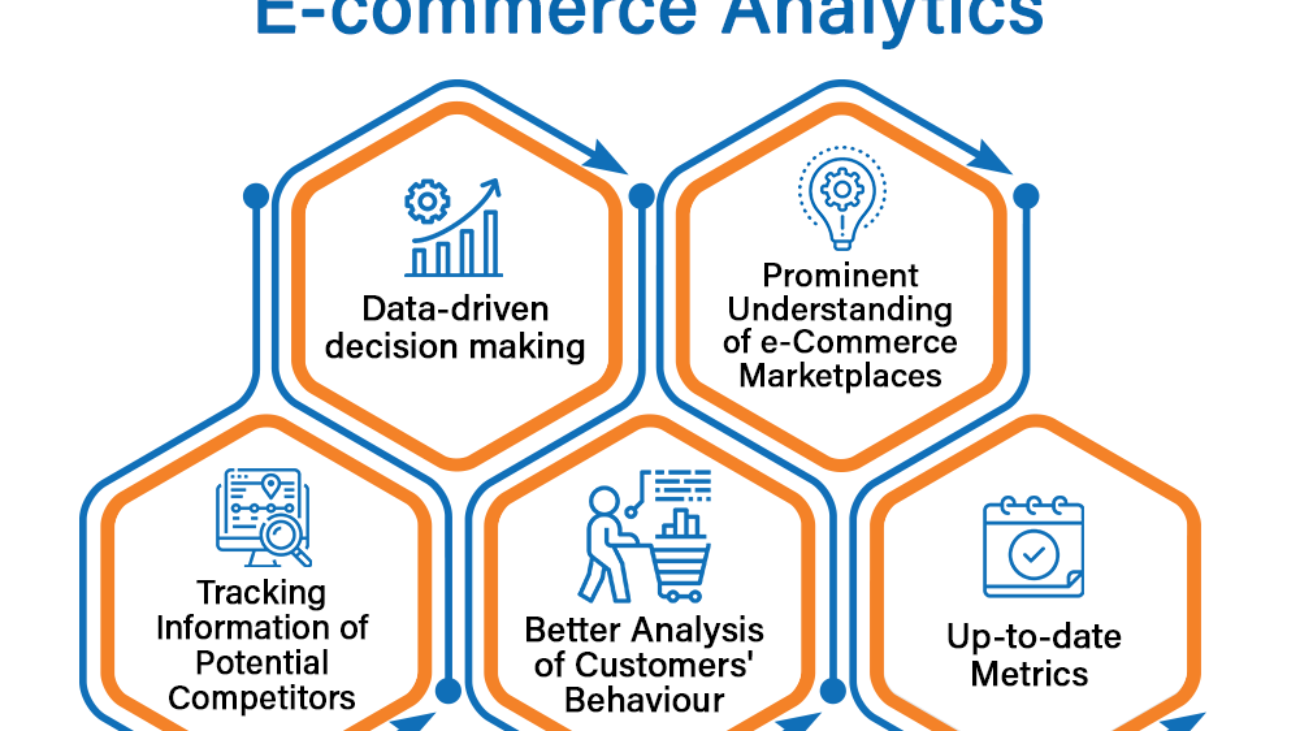
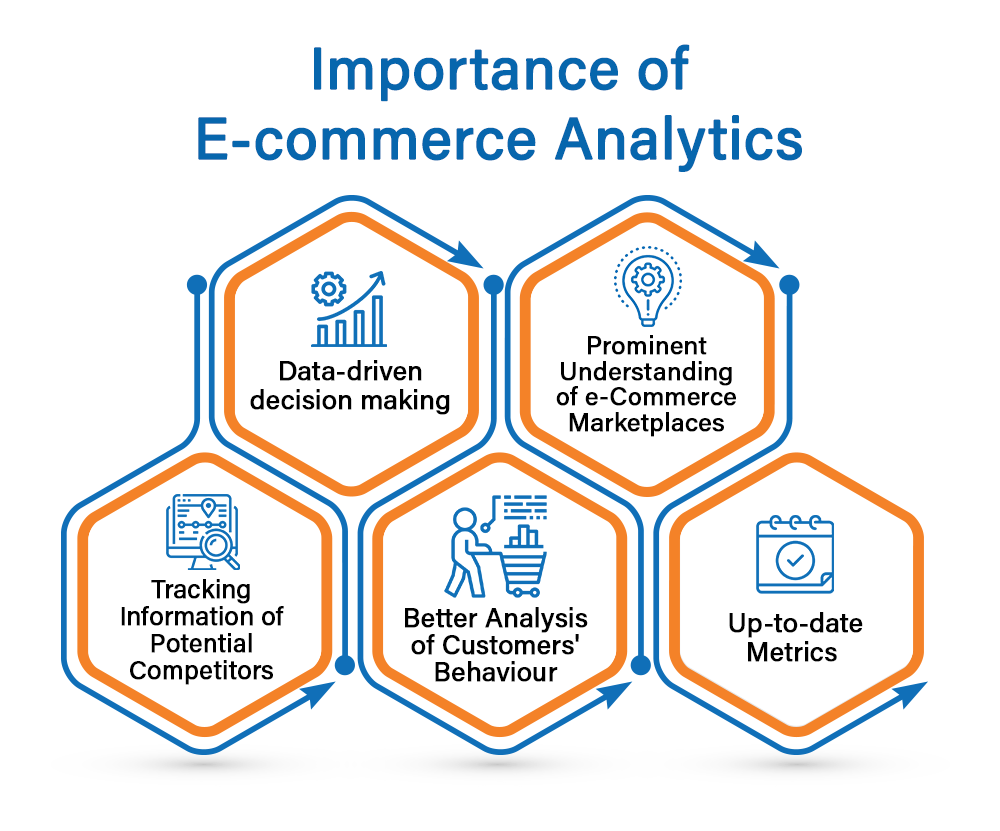
DATA ANALYTICS A powerful tool for e-Commerce

Introduction

E-commerce has evolved into a highly competitive, data-driven ecosystem where success depends on how effectively businesses understand customer behavior, optimize operations, and personalize user experiences. Every click, search, cart action, and purchase generates valuable data that can be used to improve conversion rates and operational efficiency.

At LognaTech, we design and implement modern e-commerce data and technology solutions that help online businesses unify their systems, improve decision-making, and scale effectively in fast-moving digital markets.


Key Challenges in E-commerce

Fragmented Data Across Platforms

E-commerce businesses typically operate across multiple systems such as:

  • Online storefront platforms
  • Payment gateways
  • Inventory management systems
  • Customer relationship tools
  • Marketing and advertising platforms

This leads to disconnected data that is difficult to analyze holistically.


Limited Customer Visibility

Without unified analytics, businesses struggle to understand:

  • Customer journeys across channels
  • Product performance and demand patterns
  • Cart abandonment behavior
  • Repeat purchase trends

This limits the ability to personalize experiences and improve retention.


Inefficient Inventory and Order Management

Lack of integrated systems often results in:

  • Stock inconsistencies
  • Overstocking or understocking issues
  • Delayed order fulfillment
  • Poor demand forecasting

Our Approach to E-commerce Transformation

We build integrated data and technology ecosystems that connect all aspects of e-commerce operations into a single, intelligent platform.


Unified Data Integration

We consolidate data from multiple e-commerce systems into a centralized architecture, enabling a complete view of:

  • Sales performance
  • Customer behavior
  • Product analytics
  • Marketing effectiveness

Customer Data Processing

We structure and process raw customer and transactional data to enable:

  • Behavioral segmentation
  • Purchase pattern analysis
  • Customer lifetime value tracking
  • Personalized recommendation systems

Scalable Cloud Architecture

We design cloud-based systems that support:

  • High transaction volumes
  • Real-time data processing
  • Flexible scalability during peak demand periods
  • Secure handling of customer and payment data

Core Capabilities Delivered

1. Customer Behavior Analytics

We enable businesses to understand how customers interact with their platforms, including:

  • Browsing patterns
  • Purchase journeys
  • Drop-off points
  • Engagement trends

2. Sales & Product Performance Analytics

We provide visibility into:

  • Best-selling products
  • Revenue trends
  • Seasonal demand fluctuations
  • Pricing effectiveness

3. Marketing Analytics

We help businesses evaluate the performance of marketing channels by analyzing:

  • Campaign ROI
  • Customer acquisition cost
  • Conversion rates
  • Channel attribution

4. Inventory & Demand Intelligence

We enable smarter inventory decisions through:

  • Demand forecasting models
  • Stock optimization insights
  • Supply chain alignment
  • Order fulfillment tracking

Business Impact

Organizations adopting modern e-commerce analytics solutions experience:

  • Increased conversion rates through better customer insights
  • Improved personalization and user experience
  • Reduced cart abandonment
  • Optimized inventory and supply chain performance
  • Stronger marketing ROI through data-driven decisions

Modern e-commerce success is built on data intelligence, operational efficiency, and customer-centric design. Businesses that unify their data and leverage advanced analytics gain a significant competitive advantage in highly dynamic markets.

At LognaTech, we help e-commerce companies build scalable, intelligent systems that transform raw data into meaningful insights, enabling growth, efficiency, and long-term success.
Benefits-Infographic-1024x576

Modern Logistics Analytics: Building End-to-End Supply Chain Visibility

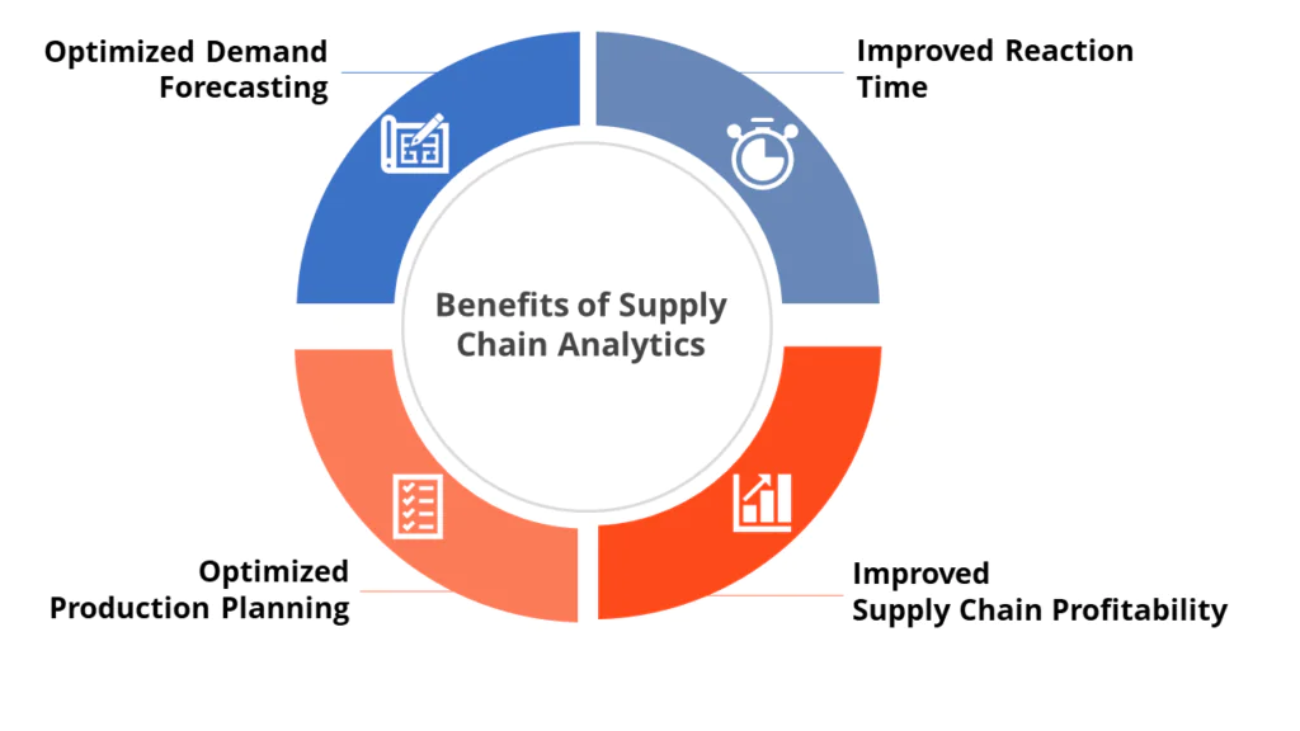
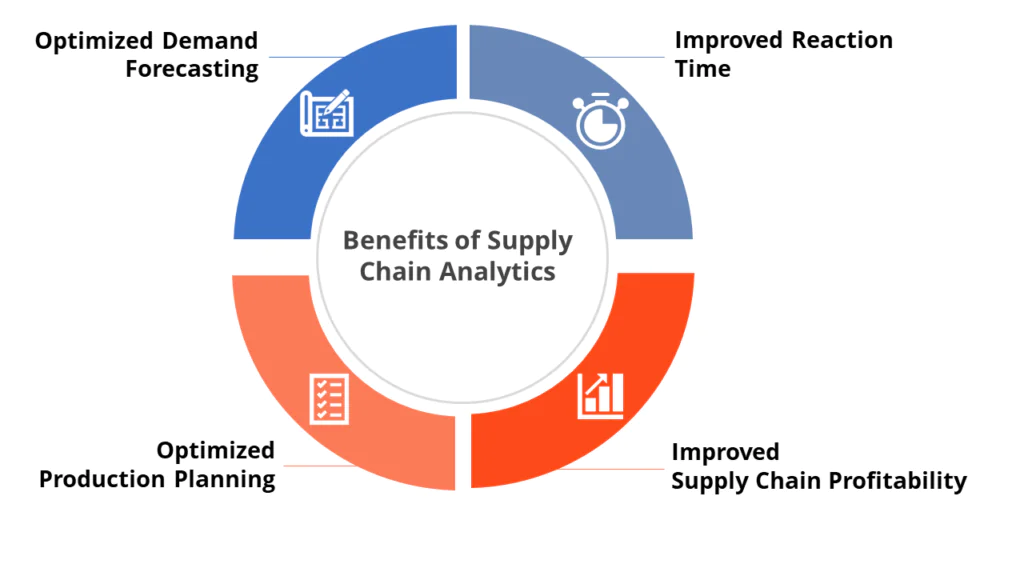
Supply Chain Analytics: Importance & Benefits Explained

Introduction

Logistics has become one of the most data-intensive industries, where success depends on speed, accuracy, and complete visibility across the supply chain. From shipments and fleet operations to warehouse management and last-mile delivery, every stage generates critical data that must be connected, analyzed, and acted upon in real time.

At LognaTech, we design and implement modern logistics data and analytics solutions that help organizations unify fragmented systems and transform operational data into actionable insights.


Key Challenges in Logistics Operations

Fragmented Systems

Logistics companies often operate across multiple disconnected platforms such as:

  • Shipment tracking systems
  • Warehouse management tools
  • Fleet and route management systems
  • Manual spreadsheets and reporting tools

This creates data silos that make it difficult to achieve a unified operational view.

Limited Real-Time Visibility

Most logistics operations rely on delayed or batch-based reporting, which leads to:

  • Slow response to delivery delays
  • Poor tracking of shipment exceptions
  • Inefficient inventory movement decisions

Operational Inefficiencies

Without centralized data visibility, organizations face:

  • Inefficient route planning
  • Underutilized fleet resources
  • Delayed exception handling
  • Increased operational costs

Our Approach to Logistics Transformation

We focus on building integrated data ecosystems that connect every part of the logistics value chain into a single, scalable analytics platform.

Data Integration

We consolidate data from multiple logistics systems into a unified data layer, ensuring consistent and reliable information flow across the organization.

Data Processing & Standardization

Raw logistics data is cleaned, structured, and standardized to ensure consistency across:

  • Shipment records
  • Inventory updates
  • Fleet movement data
  • Delivery confirmations

Centralized Data Architecture

We design scalable cloud-based data platforms that enable:

  • Fast querying of operational data
  • Seamless integration with reporting tools
  • Scalable storage for growing logistics datasets

Core Capabilities Delivered

1. Supply Chain Visibility

We enable organizations to track shipments, inventory, and deliveries across the entire supply chain in a unified view.

2. Warehouse Intelligence

Our solutions provide insights into:

  • Inventory levels
  • Stock movement trends
  • Warehouse efficiency
  • Order fulfillment rates

3. Fleet & Transportation Analytics

We help optimize logistics operations by analyzing:

  • Route efficiency
  • Fuel and time utilization
  • Delivery performance
  • Vehicle productivity

4. Exception Monitoring

We build systems that identify and highlight:

  • Delayed shipments
  • Failed deliveries
  • Missing tracking updates
  • Operational bottlenecks

Business Impact

Organizations adopting modern logistics analytics benefit from:

  • Improved operational visibility across the supply chain
  • Faster decision-making through real-time insights
  • Reduced delays and improved delivery performance
  • Better inventory and fleet optimization
  • Lower operational costs through data-driven planning

Logistics success today depends on the ability to unify data, improve visibility, and act on insights quickly. By modernizing data infrastructure and implementing advanced analytics capabilities, organizations can transform logistics operations from reactive to predictive.

At LognaTech, we help businesses build intelligent logistics systems that improve efficiency, enhance visibility, and enable smarter supply chain decisions.

1457717998559

Building a Modern Healthcare Claims Analytics Platform with Azure & Power BI

Healthcare organizations continue to face increasing pressure to improve operational efficiency, reduce reporting delays, and make data-driven decisions across clinical and financial operations. One of the major challenges within the healthcare ecosystem is the fragmentation of claims and operational data across multiple systems, making it difficult to generate reliable and timely insights.

At LognaTech, we recently designed and implemented a Proof of Concept (POC) for a modern healthcare claims analytics platform focused on demonstrating how cloud-native technologies and modern data engineering practices can streamline reporting, improve visibility, and support scalable analytics initiatives.

This POC was developed to showcase how organizations can modernize legacy reporting environments using Azure-based data services and interactive business intelligence solutions.


Project Objectives

The primary goals of the POC were to:

  • Consolidate healthcare claims data from multiple sources into a centralized analytics environment
  • Automate data ingestion and transformation workflows
  • Improve reporting accuracy and accessibility
  • Enable scalable analytics architecture for future expansion
  • Provide operational and financial visibility through interactive dashboards
  • Demonstrate cloud readiness for advanced analytics and AI initiatives

Business Challenges

The project addressed several common challenges experienced in healthcare data environments:

Fragmented Data Sources

Claims and operational data were distributed across multiple databases, flat files, and reporting systems, making data aggregation difficult and time-consuming.

Manual Reporting Processes

Business teams relied heavily on manual spreadsheet-based reporting, leading to delays, inconsistencies, and limited scalability.

Limited Visibility into Key Metrics

Stakeholders lacked real-time access to important operational KPIs such as:

  • Claims processing volumes
  • Turnaround times
  • Rejected claims
  • Revenue trends
  • Provider performance metrics

Scalability Limitations

Existing reporting infrastructure was not designed to support growing data volumes or advanced analytics use cases.


Solution Architecture

The POC was designed using a modern Azure cloud analytics architecture focused on scalability, automation, and maintainability.

Technology Stack

Data Ingestion & Integration

  • Azure Data Factory
  • Python
  • SQL Server Integration workflows

Data Storage

  • Azure SQL Database
  • Azure Blob Storage

Data Transformation

  • SQL
  • Python-based transformation scripts
  • Data validation rules

Reporting & Visualization

  • Power BI

Cloud Platform

  • Microsoft Azure

Architecture Overview

The platform architecture followed a layered analytics design:

1. Source Layer

The system ingested structured healthcare claims datasets from:

  • Transactional databases
  • CSV files
  • Historical reporting extracts

2. Data Integration Layer

Azure Data Factory pipelines were configured to:

  • Extract source data
  • Perform scheduled ingestion
  • Apply transformation logic
  • Validate incoming datasets
  • Load curated data into centralized storage

3. Storage Layer

Data was organized into:

  • Raw ingestion zones
  • Cleansed datasets
  • Curated reporting tables

Azure SQL Database served as the centralized analytics repository for downstream reporting.

4. Reporting Layer

Power BI dashboards consumed curated datasets to provide business users with interactive visual analytics and operational reporting.


Key Features Implemented

Automated ETL Pipelines

The POC included automated pipelines capable of:

  • Incremental data loading
  • Data cleansing
  • Transformation logic execution
  • Error handling and logging
  • Scheduled refresh workflows

This significantly reduced manual intervention and improved data reliability.


Data Quality and Validation Framework

A lightweight data quality framework was implemented to:

  • Detect duplicate claims
  • Validate mandatory fields
  • Identify missing values
  • Monitor transformation exceptions
  • Ensure consistency across datasets

This helped improve trust in reporting outputs and analytics results.


Interactive Business Intelligence Dashboards

Several Power BI dashboards were developed to demonstrate analytical capabilities across healthcare operations.

Claims Analytics Dashboard

Included:

  • Total claims processed
  • Claims approval rates
  • Rejected claims analysis
  • Processing trends over time
  • Claims distribution by category

Financial Performance Dashboard

Included:

  • Revenue summaries
  • Billing trends
  • Outstanding claims analysis
  • Cost distribution insights

Operational KPI Dashboard

Included:

  • Average turnaround time
  • Processing efficiency metrics
  • Workflow bottleneck identification
  • Team productivity indicators

Performance Optimization

The POC also focused on improving query and reporting performance through:

  • Optimized SQL transformations
  • Efficient data modeling techniques
  • Aggregated reporting tables
  • Incremental refresh strategies in Power BI

The architecture demonstrated the ability to scale with growing healthcare data volumes while maintaining reporting responsiveness.


Security and Governance Considerations

Although implemented as a POC, the solution incorporated foundational governance practices including:

  • Role-based access concepts
  • Data access segregation
  • Centralized reporting structures
  • Audit-friendly pipeline workflows

The architecture was designed to support future compliance and governance enhancements.


Business Outcomes

The POC successfully demonstrated measurable operational improvements including:

Faster Reporting Cycles

Automated data workflows significantly reduced the time required to prepare operational and financial reports.

Improved Visibility

Stakeholders gained centralized access to healthcare claims insights through interactive dashboards and self-service reporting.

Reduced Manual Effort

Automation minimized dependency on spreadsheet-based workflows and repetitive data preparation tasks.

Scalable Analytics Foundation

The cloud-native architecture established a foundation capable of supporting:

  • Enterprise reporting
  • Predictive analytics
  • AI and machine learning initiatives
  • Expanded data integration scenarios

Lessons Learned

Several important insights emerged during the implementation process:

  • Early investment in data quality significantly improves downstream reporting reliability
  • Modular pipeline design simplifies scalability and maintenance
  • Centralized analytics platforms improve collaboration between business and technical teams
  • Cloud-native architectures provide flexibility for future growth and innovation